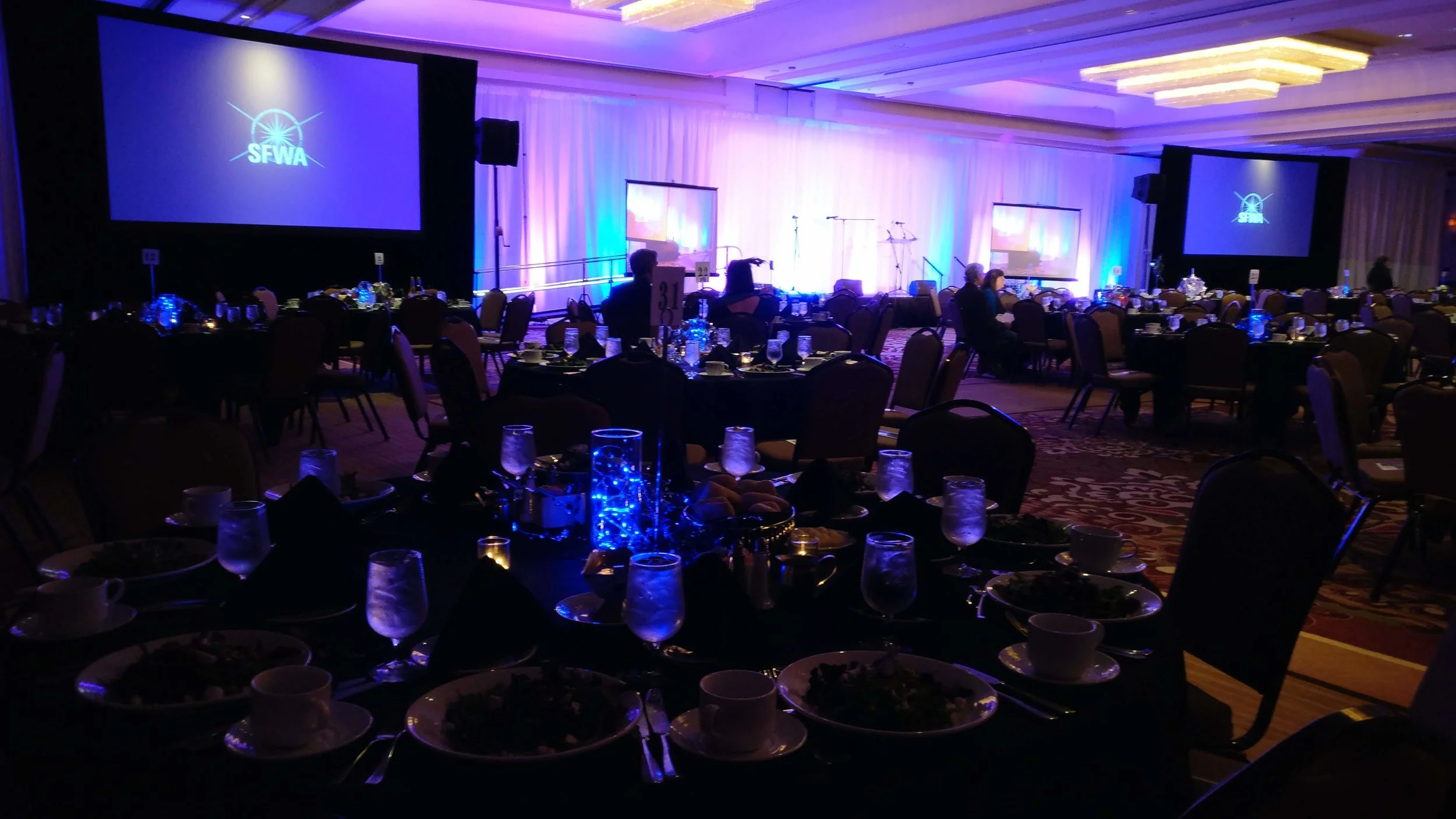
Reader Feedback with insight from Mary Robinette Kowal

How to Get the Most out of Reader Feedback
I’ve written before explaining how the only two things it takes to become a great writer are the ability to find problems in your work, and the strength to keep trying to fix them. One of the best ways to identify what is wrong with your writing is reader feedback.
Mary Robinette Kowal—award winning writer, host of the Writing Excuses podcast, and President of the Science Fiction and Fantasy Writers of America—has a fantastic YouTube video (included below) where she details the types of feedback readers can give. The video helped me pick the right questions to get productive feedback from readers. It also helped me understand what feedback I should be zeroing in on and what feedback I could safely ignore.
In the video, Mary Robinette breaks down the types of feedback a reader can give into three main categories: Symptoms, Diagnoses, and Prescription.
Personally, I find it most useful to divide feedback into two categories: Prescriptive vs. Descriptive.
Prescriptive feedback involves the reader telling you how you should change the piece. Descriptive feedback involves the reader describing their reaction to the piece. As Mary Robinette mentions, as a creator, you are probably much more interested in descriptive feedback—especially if the reader’s prescriptive feedback involves suggesting changing major plot elements or the focus of your story (which does happen!).
(Not-a) Pro Tip:
Try explaining the difference between prescriptive and descriptive feedback to readers before sending them a piece and indicate that you are mostly looking for descriptive feedback. Providing readers with clear expectations makes the beta reading process better for both parties!
What I Love About This Video
My favorite part of the video is where Mary Robinette describes the different ways a writer can receive feedback. She breaks this down into four main categories:
D’oh: After hearing the reader’s thoughts you know exactly what the problem is and how to fix it. You can’t believe you didn’t see this yourself.
Misdiagnosis: You agree there is an issue, but you think there is a different source of the problem from the one the reader describes.
Disagree: You think the reader is wrong. Readers can definitely be wrong, but if an issues comes up with a few readers, you might want to take a closer look!
WTF: You find the reader’s reaction to be so off base that you cannot understand how they got there. Mary Robinette explains that these reactions are especially worth following up on. She suggests asking the reader: Can you tell me why you came to this conclusion?
I referenced this video when creating the template for my Beta Reader Feedback document. This is a Google Doc I send to any beta readers for my novels. Early on, I found when people read my work, they would often give me feedback such as “It was good” or “I liked it a lot”. It’s great to hear someone enjoyed your piece, but that type of feedback is not very helpful if you’re looking to improve. Based on my goals for my writing, I’m looking for people to help me identify what is wrong with my writing—so I can make it better!
Embrace the fact that you are Writing it Wrong, get others to help you identify where you can improve, and you’ll be one step closer to becoming a great writer.